The Benefits of Using Dental Botox® to Treat Bruxism
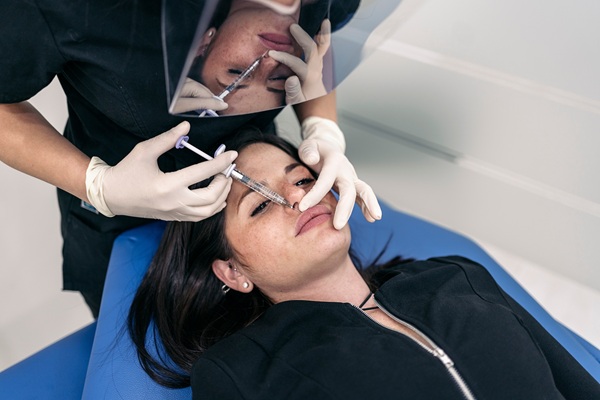
Dental treatments with botulinum toxin, simply called dental Botox®, can provide significant relief from pain and other unpleasant side effects of bruxism. Bruxism is the medical name for teeth grinding and clenching, which can lead to other dental problems such as a chipped tooth, loss of tooth enamel, and tooth sensitivity. People with bruxism tend to grind their teeth unconsciously (usually while sleeping) and wake up with sore jaws, headaches, facial pain, earaches, and even migraines.
Understanding bruxism
Aside from the pain, bruxism can cause hypertrophy of the masseter muscle. Although the main cause of bruxism is unclear, malocclusion, physical or psychological stress, sleep disorders, and medication side effects can all lead to bruxism. Treatment is sometimes complicated, considering the neurogenic and psychogenic nature of this disorder, and medical and behavioral therapy are sometimes ineffective.
Various treatment options are available, including oral splints or mouthguards and medications (antidepressants and muscle relaxants). However, there is another option to consider — dental Botox®. Studies have shown that injecting Botox® into the masseter and temporalis muscles can relax the muscles and improve the condition, as well as the resulting pain.
The benefits of dental Botox
Botox is a great treatment option because it targets and treats excessive muscle activity and spasms. Other treatment alternatives, including anti-inflammatory drugs and dental devices, do not correct the origin of the problem. Although oral devices can effectively protect the teeth from the harmful effects of bruxism, they are not efficient in preventing the painful implications of teeth grinding.
Injecting small doses of Botox directly into the masseter muscle (the muscle moving the jaw), the muscle relaxes remarkably to prevent unconscious grinding and clenching of the teeth and jaw. This relaxes the muscle significantly and reduces the degradation that grinding causes on the teeth. Damage to the temporomandibular joint (TMJ) and headaches will reduce or stop altogether, as well. Botox does not affect voluntary movements, including chewing and facial expressions.
Dental Botox is a safe and effective procedure for people who clench or grind their teeth, have TMJ pain, or have masseter hypertrophy. When injected into the temporalis and masseter muscles, Botox can help to relieve tension headaches and migraines caused by bruxism.
It is vital to note that Botox injections are not created to cure bruxism but as an effective control measure for the uncomfortable symptoms of this condition. The effect of the procedure usually lasts for about six months; that is six months of pain relief and minimal damage to the jaw, gums, and teeth. Dental Botox treatments for bruxism do not cause any lasting change to one’s appearance. Patients can discuss any concerns they have with the dentist prior to opting for dental Botox.
Ready to try dental Botox®?
Bruxism is a prevalent problem. Traditional treatments are often ineffective in controlling the pain and masseter hypertrophy caused by chronic teeth grinding and clenching. Dental Botox® is not just an effective and advanced approach to solving the issue, it is also safe with minimal downtime and side effects.
Request an appointment here: https://lakesdentalgroup.com or call Lakes Dental Group at (786) 803-8089 for an appointment in our Miami Lakes office.
Check out what others are saying about our dental services on Yelp: Botox in Miami Lakes, FL.
Related Posts
Invisalign® clear aligners give you a discreet way to improve the alignment of your teeth. It involves using rigid, transparent plastic trays to push your teeth to a better alignment gradually. These aligner trays are virtually impossible to notice in the wearer’s mouth, allowing you to get teeth straightening treatments without having to explain what…
Persistent jaw discomfort often relates to the temporomandibular joint (TMJ), the hinge-like joint that connects the lower jaw to the skull. This vital joint facilitates the thousands of movements required for daily tasks such as eating, speaking, and yawning. When dysfunction occurs, the muscles and ligaments surrounding the joint become strained, leading to chronic tension…
A loose dental crown can make chewing feel awkward and leave the tooth underneath more exposed to damage. Because a dental crown covers and protects a weakened or treated tooth, it is important to address movement as soon as possible. Even if the crown has not fallen off, a loose fit may allow bacteria, food…
A sedation dentist can keep your next dental procedure free of stress and anxiety. This dental professional can calm and relax you before, during, and after your dental procedure. Getting your dental treatments will be easier with the help of a sedation dentist. If you want to know more about sedation dentists near you, here…